
Welcome to the ultimate culinary journey that will take you on a flavorful exploration of Israeli cuisine! As a Jewish immigrant, moving to a new country can be an overwhelming experience, but fear not — we’ve got you covered when it comes to discovering the vibrant and diverse Israeli food scene. From street food staples to traditional family dishes, Israeli cuisine reflects the country’s rich history and cultural influences, making it a must-try for anyone seeking to fully immerse themselves in daily life in Israel.
Whether you’re a fan of savory or sweet, meat or dairy, there is something for everyone in Israeli cuisine. So buckle up and get ready to taste your way through Israel!
1. Hummus: A Culinary Ambassador of Israel
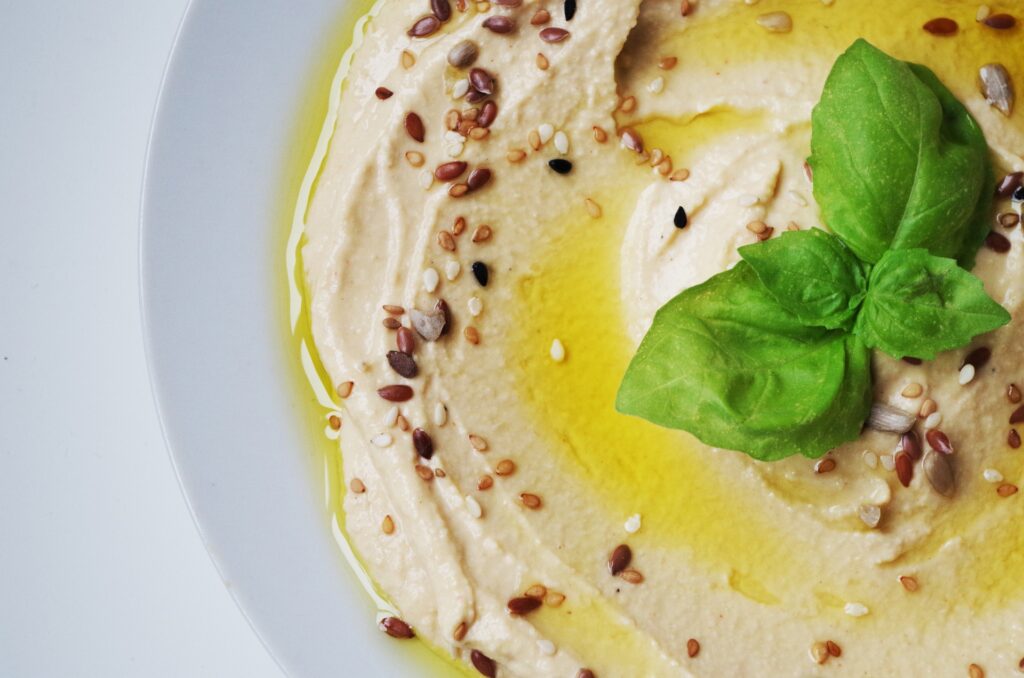
Hummus is a Middle Eastern dip made from chickpeas, tahini, olive oil, lemon juice, and garlic. In Israel, hummus is more than just a food; it’s a cultural icon that brings people together from all walks of life. Whether you’re a Jew or an Arab, a vegan or a meat-lover, everyone can enjoy a plate of hummus.
In Israel, you can find hummus everywhere, from fancy restaurants to street vendors. Some of the best hummus places in Israel include Abu Hassan in Jaffa, Ali Karavan in Akko, and Hummus Ashkara in Haifa. Each has its unique spin on the dish, with variations in texture, flavor, and toppings — some serve hummus with chickpeas and pine nuts, others with roasted eggplant or spicy sauce.
2. Falafel: A Staple of Israeli Street Food
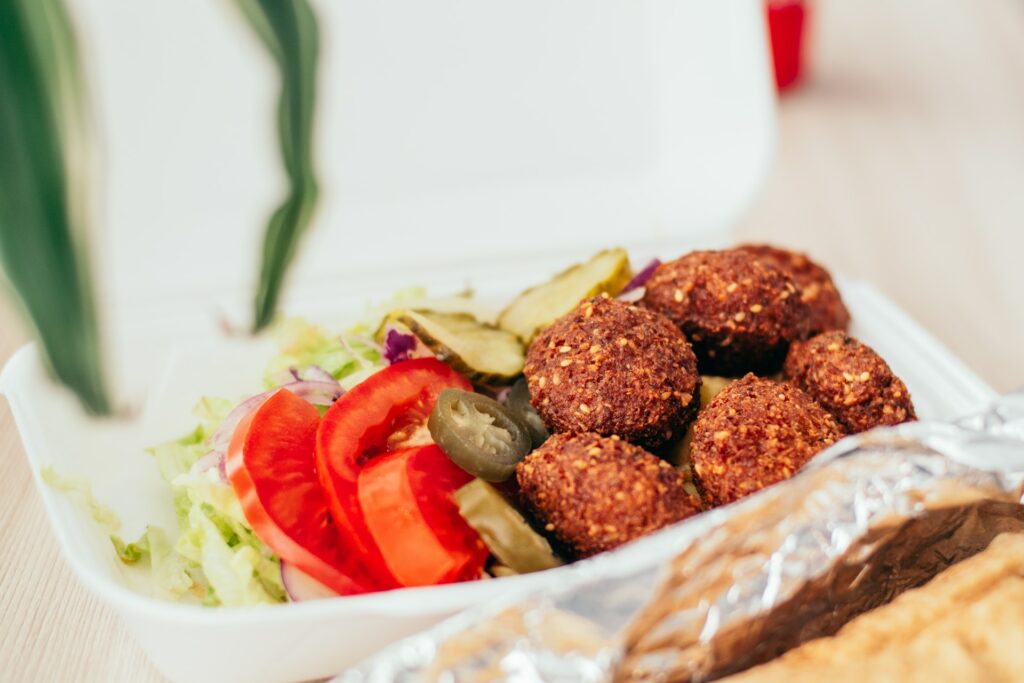
Falafel — made from ground chickpeas, herbs, and spices, formed into balls and deep-fried — is typically served in pita bread with hummus, tahini, and various vegetables. In Israel, falafel is ubiquitous, and you can find it on almost every street corner. Each falafel stand has its unique way of preparing the dish, with variations in size, texture, and flavor. For new Olim managing the cost of living in Israel, a falafel pita is one of the most affordable and satisfying meals available — typically NIS 20–30.
3. Shabbat Dinner: A Feast for the Senses
We believe Shabbat dinner deserves a category of its own. Sure, it’s present in Jewish homes worldwide, but Shabbat food in Israel is something else entirely.
In Israel, Shabbat dinner is a time to come together with family and friends to celebrate the end of the week. It’s a feast for the senses, with a variety of dishes that vary from family to family. Traditional Shabbat dishes include challah, chicken soup with matzo balls, roast chicken, and kugel. The diversity of Israel’s immigrant communities means Shabbat tables in Israel span the entire Jewish world — Iraqi sabich, Moroccan fish tagine, Yemenite soup, Ashkenazi chopped liver — often all on the same street.
4. Israeli Wine: A Growing Industry
Israel might not be the first country that comes to mind when you think of wine, but the Israeli wine industry has been growing rapidly, with over 300 wineries throughout the country. Israeli wines are known for their unique flavor profiles, with grape varietals that thrive in the hot Mediterranean climate. Some of the most famous Israeli wineries include Carmel Winery, Golan Heights Winery, and Tishbi Winery. Wine-tasting tours are a popular activity in Israel, particularly in the Galilee, Golan Heights, and Jerusalem Hills regions.
5. Shakshuka: A Breakfast Staple
Shakshuka — eggs cooked in a tomato-based sauce seasoned with cumin, paprika, and chili — is a classic Israeli breakfast dish that’s perfect for any time of day. It’s hearty, flavorful, and served with bread or pita for dipping. Some popular places to try Shakshuka in Israel include Dr. Shakshuka in Jaffa and Shila in Tel Aviv. For new Olim cooking at home, shakshuka is also one of the easiest and most affordable meals to make — ingredients are cheap, and the dish is ready in 15 minutes.

6. Shawarma: A Street Food Classic
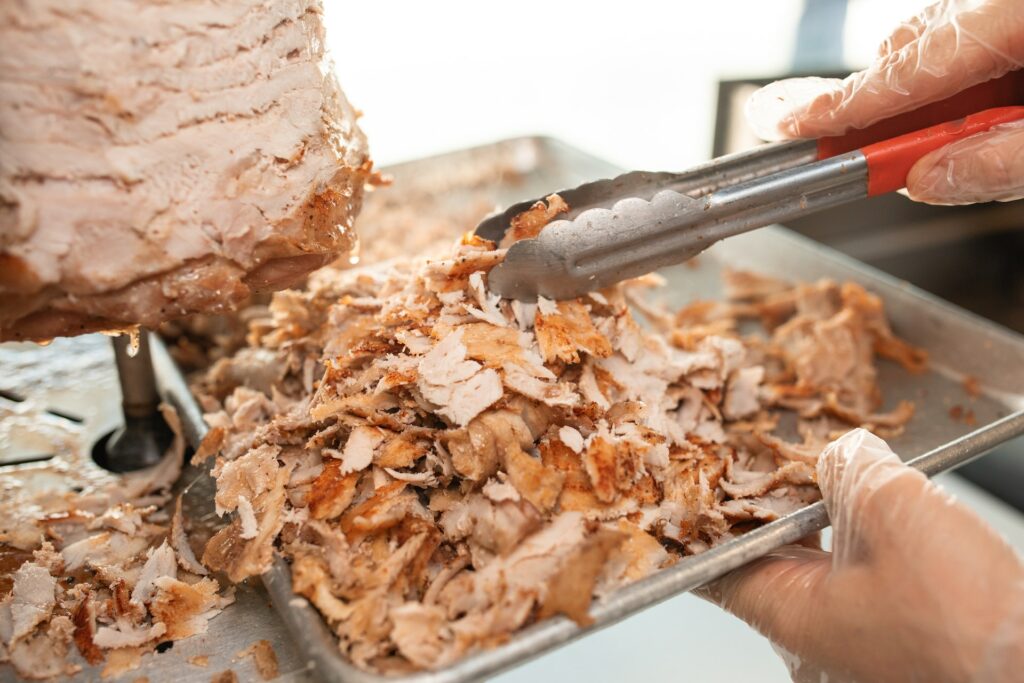
Shawarma — thinly sliced meat (typically lamb, chicken, or beef) cooked on a rotating spit and served in pita bread with vegetables and sauces — is a popular street food in Israel found on almost every corner. Each Shawarma stand has its unique way of preparing the dish, with variations in seasoning, meat, and sauces. Some popular Shawarma places in Israel include Abu Michel in Haifa and HaKosem in Tel Aviv.
7. Burekas: A Comfort Food Favorite
Burekas — pastry filled with cheese, potato, or spinach — is a popular comfort food in Israel, perfect for a quick breakfast or snack. It has its roots in Turkish and Sephardic Jewish cuisine. You can find Burekas stands all over the country; popular places include Burekas HaTikva in Tel Aviv and Burekas 9 in Jerusalem. Burekas is often served with a side of Israeli salad — chopped tomatoes, cucumbers, and onions — and is one of the cheapest and most satisfying snacks in the country.
8. Sabich: A Delicious Vegetarian Option
Sabich — a pita stuffed with fried eggplant, hard-boiled eggs, hummus, tahini sauce, and vegetables — has its roots in Iraqi Jewish cuisine and has become a staple of Israeli street food. Each Sabich stand has its unique way of preparing the dish. Popular places include Sabich Frishman in Tel Aviv and Sabich Tchernichovsky in Haifa. It’s a filling vegetarian option and a perfect introduction to the depth of Israel’s Mizrahi food culture.
Concluding Remarks
Israeli cuisine is a melting pot of diverse cultures and traditions, with influences from Jewish, Arabic, Mediterranean, and North African cuisines. From hummus to shakshuka, falafel to burekas, and sabich to shawarma, Israeli cuisine offers a wide variety of flavorful dishes that are sure to satisfy any palate.
For new Olim, food is one of the fastest ways into Israeli life. The shuk (market), the falafel stand on the corner, the Friday afternoon rush to buy challah — these become part of your weekly rhythm quickly. Israel’s diverse and flavorful cuisine is a testament to the country’s rich history and cultural heritage. Whether you’re in Israel or exploring Israeli cuisine from afar, don’t hesitate to indulge in the many flavors and traditions this country has to offer.